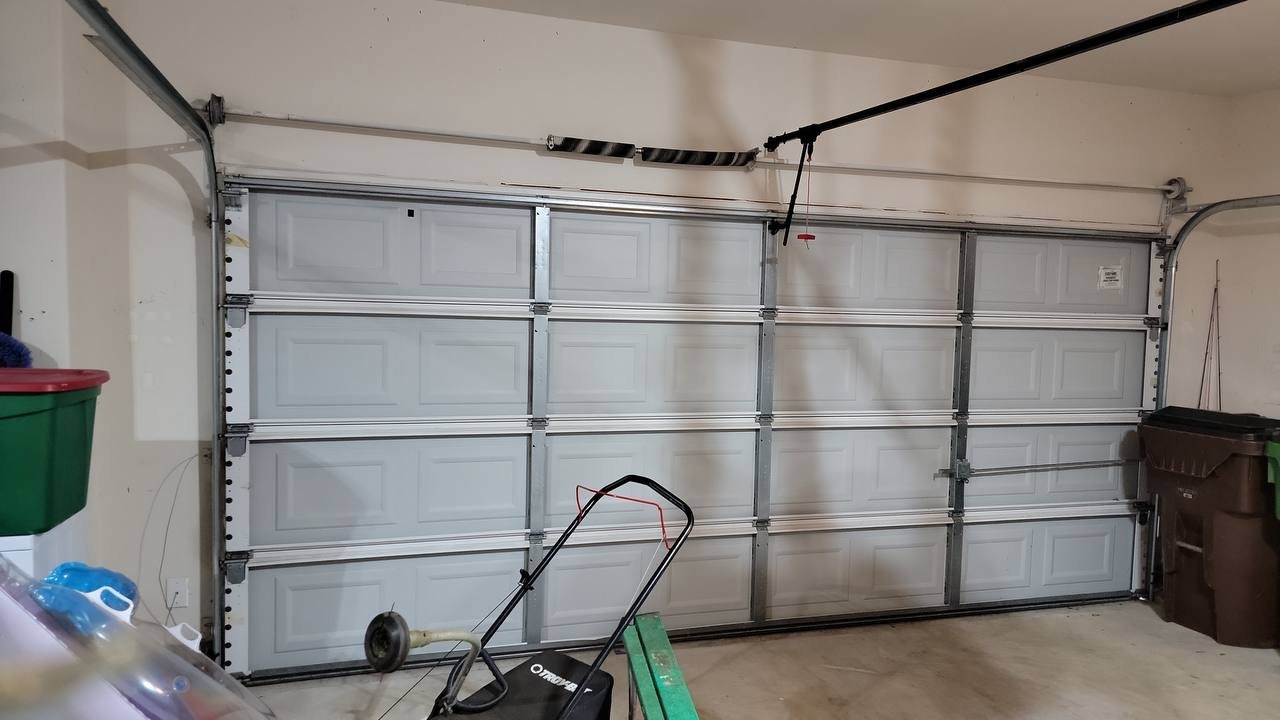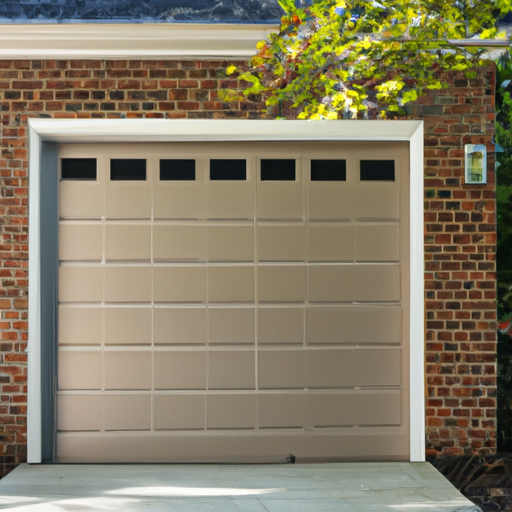
If you live in Montclair, NJ and the clatter of your garage keeps you up or disrupts home life, targeted noise reduction during a garage door replacement can make a big difference. This guide explains practical, local solutions for quieter garage doors and helps homeowners decide which upgrades are worth the investment.
Why noise matters when planning garage door replacement
Garage doors are large moving systems. When worn hardware, unbalanced springs, or thin panels meet a powerful opener, noise levels rise and vibrations travel into adjoining rooms. For many Montclair homeowners considering garage door replacement, the goal is not only curb appeal and insulation, but also a measurable drop in audible disturbance.
Common noise sources and quick diagnostics
Before replacing a door, identify where sound is coming from. A simple walk-around test during operation pins down the trouble spots:
- Metal-on-metal contacts: rattles from hinges, rollers, and track joints.
- Loose panels or hardware: flapping, pinging, or sudden thumps.
- Old openers or chain drives: constant buzzing and clanking.
- Poor mounting or weak framing: vibration transmitted to framing and drywall.
Diagnosing early helps determine whether a full garage door replacement is necessary or targeted repairs will suffice.
Noise reduction solutions to consider with garage door replacement
When you decide on a garage door replacement, combine design choices with hardware upgrades to maximize quiet performance. Consider these options:
Door material and panel design
- Insulated steel doors: double-layer insulated panels with a foam core significantly damp vibrations compared with single-skin doors.
- Composite and wood-clad doors: offer natural damping; good for homeowners who want quieter operation plus aesthetic appeal.
- Section thickness: thicker sections reduce resonance—ask about R-value and sound-deadening properties when choosing a model.
Rollers, tracks, and hardware upgrades
- Quiet rollers: nylon or sealed cartridge rollers run much quieter than steel rollers.
- Lubrication and snug fit: properly adjusted tracks and lubricated rollers reduce clatter and prolong system life.
- Ball-bearing hinges: replace worn hinges with higher-quality bearings to cut metal-on-metal noise.
Opener choice and mounting
- Belt-drive openers: much quieter than chain drives and ideal for attached garages and living spaces above the garage.
- Jackshaft or wall-mounted openers: remove bulk and vibration from the ceiling and isolate noise from living areas.
- Vibration isolation: professional mounting with rubber isolators or reinforced framing limits transferred noise.
Weatherstripping and seals
Sealing gaps reduces both drafts and the transmission of impact noise. Bottom seals, perimeter gaskets, and astragal seals at section joints cut rattles and keep panels from banging in wind—important in NJ storms and seasonal wind events.
Installation and workmanship matter
Even the best door can be noisy if installed poorly. Standard recommendations for a quiet garage door replacement include:
- Professional balancing and spring adjustment to avoid uneven loads and sudden slams.
- Precise track alignment and secure anchoring to framing to eliminate rubbing and resonance.
- Testing under real conditions (weather, evening hours) so dampening solutions are verified after installation.
Local installers familiar with Montclair homes will understand common framing types, overhead joist patterns, and how sound transmits into typical living spaces here.
Cost considerations, timelines, and expected gains
Noise-focused garage door replacement costs vary by material, insulation, and hardware. Typical factors include door model, opener type, and additional isolation work. A rough outline:
- Basic insulated steel door with standard hardware: lower cost, modest noise improvement.
- Premium insulated or composite door + belt-drive opener + sealed rollers: mid-range to premium cost with substantial quieting.
- Framing reinforcement and vibration isolation work: additional but essential for attached garages or living spaces above the garage.
Most residential service projects in the area take 1–3 days from delivery to final tuning, depending on complexity and permit needs.
Local factors for Montclair, NJ homeowners
Montclair’s climate and housing stock affect product choice and installation:
- Seasonal temperature swings: choose doors with good thermal performance to prevent panel contraction and rattles in winter.
- Attached garages and townhomes: prioritize openers and mounting that minimize vibration transfer to living spaces.
- Noise ordinances and neighbor considerations: quieter systems maintain neighborhood harmony in denser Montclair neighborhoods.
How to choose the right contractor
Look for installers who offer clear warranties, on-site diagnostics, and experience with noise-reduction builds. Ask specific questions about:
- Experience with insulated and composite doors.
- Opener types installed and vibration isolation methods used.
- References from Montclair or nearby towns.
Learn more design ideas on our blog, or review services for noise-focused upgrades on our services page. When you’re ready, contact our team to schedule an on-site estimate: contact us to set a convenient time.
Maintenance tips to keep a new door quiet
- Annual inspection: check rollers, hinges, and seals for wear.
- Regular lubrication: use manufacturer-recommended lubricants on bearings and rollers.
- Prompt repairs: replace worn springs or cracked panels before they cause noise escalation.
Combining the right door, quality hardware, and professional installation yields the best long-term noise reduction for your garage door replacement project in Montclair, NJ.
Frequently Asked Questions — Montclair, NJ
How much quieter can I expect a full garage door replacement to be in a typical Montclair home?
Upgrading to an insulated panel door with a belt-drive opener and nylon rollers commonly reduces perceived noise by 40–70% compared with old single-skin doors and chain drives. Exact gains depend on framing and attachment to living spaces.
Do I need a permit in Montclair for garage door replacement or structural reinforcement?
Minor replacements often don’t require structural permits, but reinforcement or changing header/framing may. Check local Montclair building rules or mention the scope when you contact us so we can advise and handle permit coordination.
What timeline should I expect for a noise-focused replacement?
Most residential service projects complete within 1–3 days once the door and opener arrive. If structural framing or permit work is needed, allow extra time for inspections.
Will warranties cover noise issues after installation?
Manufacturers warranty panels and openers; workmanship warranties vary by installer. Ask for written warranties on installation, spring adjustment, and hardware to ensure post‑install issues are addressed.
Are there budget-friendly upgrades that help without a full replacement?
Yes. Replacing rollers with nylon rollers, adding seals, balancing springs, and switching to a belt-drive opener can cut noise substantially without replacing the entire door.
Helpful local resources in Montclair, NJ
- Garage Door Repair Hoboken
- Garage Door Repair Montclair
- Garage Door Repair Westfield
- Garage Door Repair Summit
- Garage Door Repair Maplewood
- Garage Door Repair Livingston
- Garage Door Repair Short Hills
- Garage Door Repair Princeton
- Garage Door Repair Red Bank
- Garage Door Repair Morristown
- Garage Door Repair Chatham
- Garage Door Repair Mendham
- Garage Door Repair Bernardsville
- Garage Door Repair Bedminster
- Garage Door Repair Clinton
- Garage Door Repair Tenafly
- Garage Door Repair Ridgewood
- Garage Door Repair Upper Saddle River
- Garage Door Repair Wyckoff
- Garage Door Repair Basking Ridge
- Garage Door Repair South Orange
- Garage Door Repair Teaneck
- Garage Door Repair Fort Lee
- Garage Door Repair East Brunswick
- Garage Door Repair Montvale
- Garage Door Repair Haddonfield
- Garage Door Repair Marlboro
- Garage Door Repair Cranford
- Garage Door Repair Voorhees
- Garage Door Repair North Caldwell