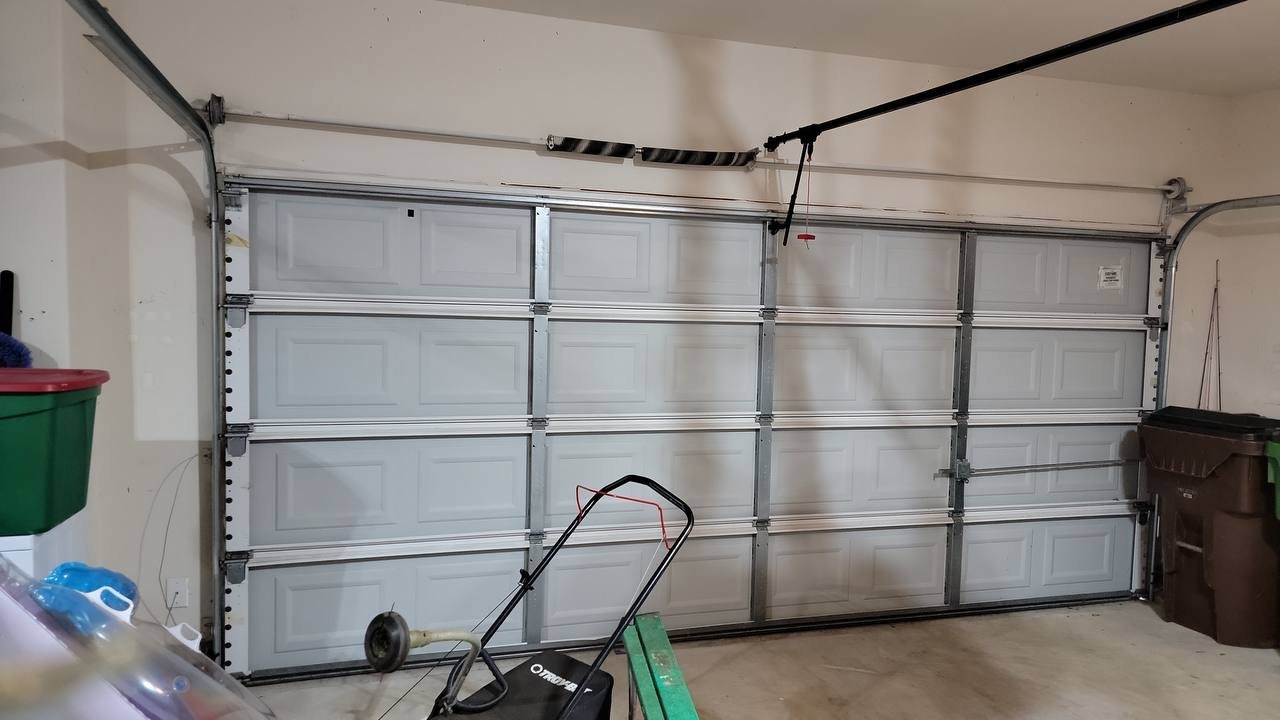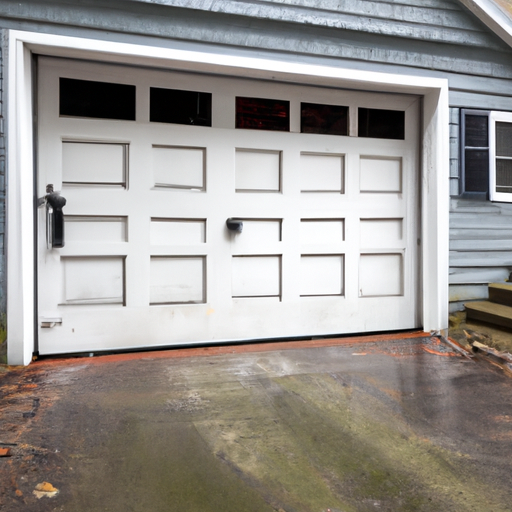
Homeowners in Montclair, NJ face seasonal wear, salt corrosion, and freeze-thaw cycles that affect safe garage door repair and ongoing reliability. This guide explains practical steps you can take before a technician arrives, how to evaluate hazards, and when to call a pro so repairs finish safely and without surprises.
Why safety matters for garage door repair
Garage doors are heavy moving systems with springs, cables, rollers, and electric openers. A small failure can cause serious injury or damage to vehicles and property. Prioritizing safety during garage door repair reduces risk, shortens repair time, and often lowers overall cost because technicians can work without emergency delays.
Pre-repair checklist: what homeowners should do
Before any garage door repair visit, prepare the area and gather basic information. A few minutes of prep improves safety and helps the technician diagnose problems more quickly.
Clear and secure the area
- Move cars and belongings at least 10 feet away from the door path.
- Keep children and pets inside while the door is serviced.
- Turn off the garage door opener power at the wall or breaker to prevent accidental operation.
Document how the door behaves
- Note noises (grinding, squealing), speeds (slow/jerky), and any visible gaps or bends in panels.
- Record when symptoms started and whether weather (heavy rain, salt, freezing) coincided with the problem.
- Take a short video or a few photos on your phone to share with the technician — visual clues speed safe diagnosis.
Check obvious safety features
- Test reverse sensors: place a small object in the door’s path and close the door — it should reverse.
- Test the auto-reverse by pulling the emergency release and manually lifting a portion of the door; it should feel balanced or resist evenly.
- If sensors are misaligned, note this so the technician can address wiring or alignment rather than assuming a mechanical failure.
Common local risks in Montclair and how to mitigate them
Montclair’s climate and urban environment create specific risks. Understanding these helps you select safer repair options and avoid common pitfalls.
Winter freeze-thaw and corrosion
Freezing temperatures can stiffen tracks and cause sensors to misalign. Salt from nearby roads speeds corrosion on exposed springs and cables. Keep moving parts lubricated before cold snaps and ask the technician to inspect for rusted hardware that may fail under tension.
Power outages and opener safety
NJ storms can cause power surges or outages. Disconnect the opener during storms when not in use, and ask your technician about surge protection or a battery backup for your opener so the door can be operated safely during outages.
Aging springs and cables
Torsion springs store major energy and should only be adjusted or replaced by a trained technician. If your door feels heavy or is off-balance, don’t try to tighten springs yourself — contact a professional to avoid catastrophic failure.
What to expect from a safe garage door repair visit
A safe repair visit follows predictable steps. Knowing what to expect improves your experience and prevents surprises.
Initial inspection and hazard control
The technician will inspect springs, cables, tracks, rollers, and the opener. They should secure the door in a safe position, disable power to the opener, and use proper tools and safety glasses.
Clear, written estimate and explanations
A professional must provide a clear estimate that separates parts and labor, lists safety-critical items (springs, cables), and explains any recommended replacements. Review the estimate and ask about the warranty on parts and labor.
Post-repair checks
- Confirm auto-reverse and sensor alignment with the technician present.
- Ask for maintenance tips tailored to Montclair’s climate, like seasonal lubrication schedules.
- Request any safety adjustments to your remote or keypad to prevent unintended operation.
When to call a pro vs. safe DIY tasks
Not all issues require professional intervention. That said, heavy-lift components and high-tension springs are never DIY for homeowners.
Safe DIY tasks
- Lubricating rollers, hinges, and ball bearings with manufacturer-recommended lubricant.
- Cleaning and aligning photo-eye sensors if they are visibly dirty or out of alignment.
- Tightening loose hardware (bolts and screws) on hinges and tracks that are accessible and not under tension.
Call a pro for these issues
- Broken or frayed springs and cables, uneven door travel, or major panel damage.
- Opener electrical faults that trip breakers or smell like burning.
- Doors that won’t stay open or slam shut unexpectedly.
If you need an assessment or want to schedule a secure, professional visit, see our detailed services page and scheduling options on the site: https://garagedoors-montclair.com/services. For questions or to book an inspection, use our contact page to reach a local technician: https://garagedoors-montclair.com/contact. For seasonal maintenance tips and more local updates, check our blog: https://garagedoors-montclair.com/blog.
Maintenance plan ideas for Montclair homeowners
Regular maintenance reduces emergency repairs and extends the life of garage doors. A short annual checklist keeps your door reliable through saltier winters and humid summers:
- Spring and fall professional inspection focused on springs, cables, and opener health.
- Quarterly lubrication and visual checks for rust or loose hardware.
- Replace worn weatherstripping and check threshold seals to limit water intrusion and salt exposure.
Keeping an annual service record (dates, work done, parts replaced) helps technicians diagnose recurring issues quickly and safely.
Final safety reminders
Prioritize licensed, insured technicians, ask for proof of insurance, and insist on written estimates and clear warranties. When in doubt, stop and call. Quick DIY fixes are fine for low-risk tasks, but major tension components and electrical problems need a trained professional for safe resolution.
Proper prep, clear communication with your technician, and seasonal attention are the best ways Montclair homeowners can reduce risks and keep garage doors operating safely for years.
Frequently asked questions
Do I need a permit in Montclair to replace my garage door?
Minor repairs usually don’t require a permit. Full door replacements that alter framing or structural openings can require a permit from the Montclair building department. Ask your contractor to verify permit needs and, if required, to provide permit-ready plans.
How does Montclair weather affect springs, cables, and sensors?
Freeze-thaw cycles and road salt accelerate corrosion on springs and cables and can misalign sensors. Regular lubrication, seasonal inspections, and replacing corroded components promptly reduces the chance of sudden failure.
What is a typical response time for emergency garage door repair in Montclair?
Many local technicians offer same-day emergency service for doors that can’t be secured. Non-emergency repairs are often scheduled within 1–3 business days depending on parts availability and season.
What price ranges should I expect for common repairs in NJ?
Prices vary by part and labor. Typical ranges in the area: spring replacement $150–$350, opener replacement $300–$700, and full door replacement $800–$2,500. Always get a written estimate for parts and labor.
Will local contractors provide warranties and proof of insurance?
Yes, reputable contractors provide written warranties for parts and labor and can show current liability insurance. Ask for warranty terms and proof of insurance before work begins.
Helpful local resources in Montclair, NJ
- Garage Door Repair Hoboken
- Garage Door Repair Montclair
- Garage Door Repair Westfield
- Garage Door Repair Summit
- Garage Door Repair Maplewood
- Garage Door Repair Livingston
- Garage Door Repair Short Hills
- Garage Door Repair Princeton
- Garage Door Repair Red Bank
- Garage Door Repair Morristown
- Garage Door Repair Chatham
- Garage Door Repair Mendham
- Garage Door Repair Bernardsville
- Garage Door Repair Bedminster
- Garage Door Repair Clinton
- Garage Door Repair Tenafly
- Garage Door Repair Ridgewood
- Garage Door Repair Upper Saddle River
- Garage Door Repair Wyckoff
- Garage Door Repair Basking Ridge
- Garage Door Repair South Orange
- Garage Door Repair Teaneck
- Garage Door Repair Fort Lee
- Garage Door Repair East Brunswick
- Garage Door Repair Montvale
- Garage Door Repair Haddonfield
- Garage Door Repair Marlboro
- Garage Door Repair Cranford
- Garage Door Repair Voorhees
- Garage Door Repair North Caldwell